Plumbing problems are something almost every Australian homeowner deals with at some point. From dripping taps to blocked drains, these issues can start small but quickly become expensive if ignored. Australia’s mix of ageing housing stock, extreme weather, hard water, and tree roots means plumbing systems are often under more pressure than we realise.
Knowing how to identify common plumbing problems and respond early can save you money, water, and a lot of stress. Some issues are safe to handle yourself, while others must legally be fixed by a licensed plumber.
In this guide from Aussie Home Improvement, we break down the 5 common plumbing problems Australian homeowners face, explain what causes them, and show you the safest and most practical solutions.
1. Blocked Drains
Blocked drains are one of the most frequent plumbing problems in Australian homes, affecting kitchens, bathrooms, and outdoor drains.
In kitchens, grease, oil, and food scraps are the usual culprits. In bathrooms, hair and soap scum build up over time. Outside, tree roots and storm debris often cause major blockages, especially in older suburbs.
How to Solve a Blocked Drain
Start with simple methods. A plunger or drain snake can clear minor blockages close to the surface. Hot water can help dissolve grease in kitchen sinks, but it won’t fix deeper problems.
If blockages keep coming back, the issue is likely further down the pipe. Tree root intrusion, collapsed pipes, or heavy build-up require professional equipment such as high-pressure drain cleaning.
Ignoring recurring blockages can lead to sewage backing up into your home, which is a serious health risk.
2. Leaking Taps and Fixtures
A leaking tap may seem harmless, but even a slow drip can waste thousands of litres of water each year. With water costs rising across Australia, this quickly adds up on your bill.
Leaks are usually caused by worn washers, damaged O-rings, corroded valve seats, or loose fittings. In coastal areas, salt air can accelerate corrosion.
How to Solve a Leaking Tap
Replacing a washer or O-ring is often a straightforward DIY job for confident homeowners. Always turn off the water supply before starting and make sure replacement parts match your tap type.
If the leak continues after replacing washers, the tap body or internal components may be damaged. In that case, replacing the tap or calling a plumber is the safest option.
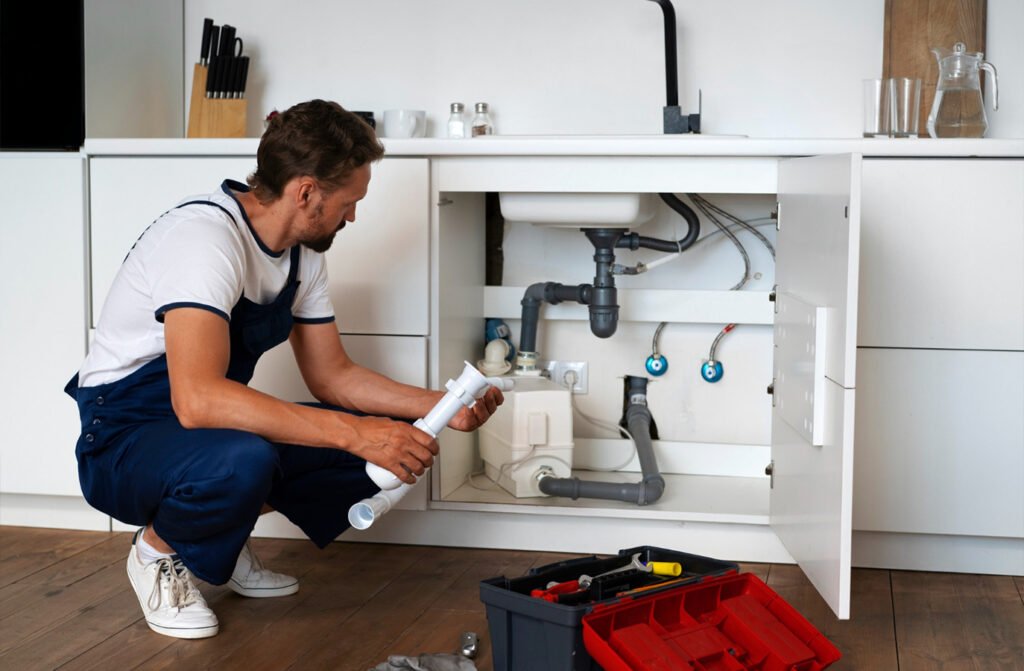
Leaks under sinks, inside walls, or beneath floors should always be checked by a professional.
3. Low Water Pressure
Low water pressure can make everyday tasks frustrating, from showering to washing dishes. While a single low-pressure tap may have a blocked aerator, whole-house pressure problems usually indicate a bigger issue.
In Australian homes, low water pressure is often caused by pipe corrosion, mineral build-up, ageing galvanised pipes, underground leaks, or faulty pressure regulators.
How to Solve Low Water Pressure
Check if the issue affects one tap or the entire house. Cleaning tap aerators can help with localised pressure problems.
If pressure is low throughout the home, it’s time to call a plumber. Diagnosing pressure issues often requires specialised tools and may involve inspecting underground pipework.
Ignoring low pressure caused by leaks can result in higher water bills and structural damage over time.
4. Toilet Problems
Toilets are another major source of plumbing call-outs in Australia. Common problems include toilets that keep running, weak flushing, frequent clogs, or water backing up.
These issues are often caused by worn flush valves, faulty inlet valves, blockages, or sewer line problems.
How to Solve Toilet Plumbing Issues
Simple issues like a running toilet can sometimes be fixed by replacing internal cistern components. These parts are inexpensive and readily available.
However, frequent clogs or water backing up into the bowl often indicate deeper drain or sewer problems. Continuing to flush can make the situation worse and create hygiene risks.
If plunging doesn’t resolve the issue, stop using the toilet and call a licensed plumber.
5. Hot Water Problems
Few things disrupt daily life like a lack of hot water. Australian homes use electric, gas, solar, and heat pump systems, each with their own common faults.
Problems include hot water running out quickly, fluctuating temperatures, unusual noises, or no hot water at all.
How to Solve Hot Water Issues
For electric systems, issues may be caused by faulty thermostats or heating elements. Sediment build-up is also common, especially in hard water areas.
Gas hot water systems can fail due to pilot light issues, gas supply problems, or faulty valves. These systems must always be repaired by a licensed plumber due to safety regulations.
In some cases, replacement is more cost-effective than repair, particularly for older systems.
Step-by-Step Guidance: What to Do When Plumbing Problems Appear
When a plumbing issue arises, quick and calm action can limit damage.
First, identify whether the problem involves active leaks, sewage, or gas. These require urgent attention. Turn off the main water supply if water is escaping uncontrollably.
Avoid temporary fixes that may cause more harm, such as chemical drain cleaners or overtightening fittings. These can damage pipes and void warranties.
If the issue persists or involves regulated work, contact a licensed plumber.
Cost Guide: Common Plumbing Repairs in Australia
| Plumbing Issue | Typical Cost Range (AUD) |
| Call-out fee | $80 – $150 |
| Blocked drain (basic) | $150 – $350 |
| High-pressure drain cleaning | $300 – $600 |
| Leaking tap repair | $100 – $250 |
| Toilet repair | $150 – $400 |
| Low water pressure investigation | $200 – $500 |
| Hot water system repair | $250 – $800 |
| Hot water system replacement | $1,200 – $4,000+ |
What Affects Plumbing Costs
Costs vary depending on location, access to pipes, age of the system, and whether the work is required after hours. Regional areas and emergency call-outs are usually more expensive.
DIY vs Hiring a Professional Plumber
Understanding what you can legally and safely do yourself is essential.
What You Can DIY
Minor tasks such as replacing tap washers, cleaning aerators, plunging simple blockages, and changing shower heads are generally safe for homeowners.
These jobs don’t involve altering pipework or regulated systems.
What Requires a Licensed Plumber
Any work involving gas, hot water systems, sewer lines, waterproofing, or pipe modifications must be done by a licensed plumber in Australia.
Unlicensed work can void insurance, breach building codes, and create serious safety risks.
Aussie Home Improvement always recommends using licensed and insured tradespeople for major plumbing work.
Common Mistakes to Avoid
Australian homeowners often make the same plumbing mistakes.
- Ignoring small leaks until damage appears
- Using chemical drain cleaners repeatedly
- Attempting gas or hot water repairs without a licence
- Delaying professional help to save money
- Hiring unlicensed plumbers
These mistakes often result in higher repair costs and ongoing problems.
Maintenance Tips for Australian Conditions
- Regular maintenance helps prevent plumbing problems before they start.
- Inspect taps, exposed pipes, and toilets every few months for leaks. Clean drains regularly to prevent grease and hair build-up.
- In areas with hard water, periodic descaling helps protect pipes and appliances. Coastal homes should watch for corrosion caused by salt air.
- Before storm season, make sure outdoor drains and stormwater systems are clear to reduce flood risk.
Frequently Asked Questions
What is the most common plumbing problem in Australian homes?
Blocked drains and leaking taps are the most common issues, especially in older homes and areas with large trees.
Can I fix plumbing problems myself?
Minor issues like tap washers and simple blockages can be DIY. Anything involving gas, sewer lines, or pipe alterations must be done by a licensed plumber.
How do I know if a plumbing problem is serious?
Recurring blockages, low water pressure throughout the house, hidden leaks, or sewage smells are signs of serious issues that need professional attention.
Are plumbing repairs expensive in Australia?
Costs vary, but fixing problems early is usually far cheaper than dealing with water damage or emergency repairs.
How often should plumbing be checked?
A basic visual check every few months is ideal, with professional inspections recommended for older homes or before renovations.