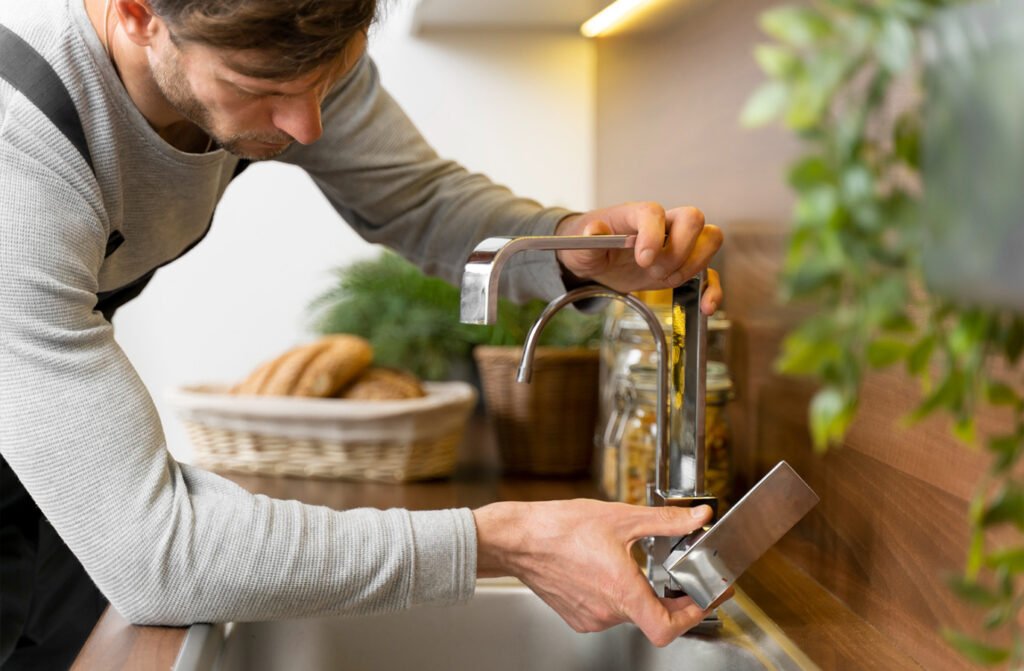
A leaky tap is one of the most common plumbing issues in Australian homes. That steady drip can be frustrating, waste a large amount of water, and slowly push up your water bill. In a country where droughts and water restrictions are part of everyday life, even small leaks should be taken seriously.
At Aussie Home Improvement, we help Australian homeowners understand when a job can be tackled DIY and when it’s best to call in a professional. This step-by-step guide explains how to fix a leaky tap, what it may cost in Australia, and when services like Jim’s Plumbing or Mates Rates Plumbing may be the better option.
Why Fixing a Leaky Tap Is Important
A dripping tap can waste thousands of litres of water each year if left untreated. This adds unnecessary pressure to Australia’s water supply and can noticeably increase household water bills. Over time, leaking taps can also cause staining, damage cabinets under sinks, and create damp conditions that encourage mould growth.
In many older Australian homes, especially those built before the 1990s, worn washers and ageing tap components are a common cause of leaks. Coastal homes may experience faster wear due to salt air, while homes in colder regions can suffer from expanded and contracted fittings over winter.
Common Tap Types in Australian Homes
Australian homes typically have one of three tap styles. Traditional washer taps are common in older houses and are usually the easiest to fix. These taps rely on a rubber washer to stop the flow of water. Ceramic disc taps are more common in modern homes and apartments and tend to last longer, although repairs can be more complex. Mixer taps, which control hot and cold water with one handle, are popular in kitchens and laundries and usually require a cartridge replacement when they leak.
Knowing which type of tap you have will make the repair process much smoother and help you buy the correct replacement parts.
Preparing for the Repair
Before starting, it’s important to have the right tools and replacement parts ready. Most homeowners can find everything they need at Home Hardware, including washers, cartridges, plumber’s tape, and basic tools. If you are unsure which washer or cartridge you need, taking the old part with you to the store is the easiest way to ensure a proper match.
Turning off the water supply is essential. Many modern Australian homes have isolation valves under the sink, but older homes may require turning off the main water supply at the water meter.
Step-by-Step Guide to Fixing a Leaky Tap
Step 1: Turn Off the Water Supply
The first and most important step is turning off the water. Many Australian homes have isolation valves under the sink, which allow you to shut off water to a single tap. If your home does not have these valves, you will need to turn off the main water supply at the meter. This is especially common in older houses.
Step 2: Protect the Sink and Drain
Before taking the tap apart, place a plug or cloth over the drain. This prevents small screws or washers from accidentally falling down the sink, which can easily happen during repairs.
Step 3: Remove the Tap Handle
Most tap handles have a decorative cap that can be gently pried off. Underneath, you will find a screw holding the handle in place. Once the screw is removed, the handle should lift off. If it feels stuck, mineral buildup from hard water may be the cause, so take your time and remove it gently.
Step 4: Remove the Tap Spindle
Using an adjustable spanner, carefully unscrew the tap spindle. This component controls the flow of water and is a common source of leaks in traditional taps.
Step 5: Replace the Washer or Cartridge
If you have a washer tap, you will see a rubber washer at the base of the spindle. Remove the old washer and replace it with a new one of the same size. For mixer or ceramic disc taps, you will need to replace the cartridge. It’s a good idea to take the old cartridge with you to the hardware store to ensure you buy an exact match.
Step 6: Reassemble the Tap
Once the new washer or cartridge is installed, reassemble the tap in reverse order. Use plumber’s tape if needed to ensure a watertight seal, but avoid overtightening the parts.
Step 7: Turn the Water Back On and Test
Slowly turn the water supply back on and test the tap. If the dripping has stopped, the repair has been successful. If the tap still leaks, the issue may be more complex.
Why a Tap May Still Leak After Repair
If a tap continues to drip after replacing the washer or cartridge, there may be a deeper issue. Worn tap seats, damaged spindles, incorrect part sizes, or corroded pipes can all cause ongoing leaks. In these cases, further DIY attempts can sometimes make the problem worse.
DIY vs Hiring a Professional Plumber
DIY leaky tap repairs are suitable for simple washer replacements or straightforward cartridge changes. Many Australian homeowners successfully complete these repairs using parts from Home Hardware and save money in the process.
However, professional help is recommended if the water will not turn off, the tap continues leaking after repair, pipes appear corroded, or the leak is hidden behind walls or cabinetry. Well-known services such as Jim’s Plumbing and Mates Rates Plumbing are commonly used across Australia for these situations, especially when licensed work is required or urgent repairs are needed.
At Aussie Home Improvement, we always encourage homeowners to prioritise safety, compliance, and long-term reliability over short-term savings.
Cost Guide: Fixing a Leaky Tap in Australia
DIY repairs are usually very affordable. A standard washer often costs only a few dollars, while tap cartridges generally range from $20 to $60 depending on the brand and model. If you need to purchase tools, the total cost typically stays under $80.
Professional plumbing services usually involve a call-out fee between $80 and $150, with labour costs around $100 to $180 per hour. Including parts, most leaky tap repairs in Australia cost between $150 and $300, with higher prices possible after hours or in regional areas.
Australian Water Efficiency Considerations
Fixing leaking taps helps Australian households reduce water waste and stay aligned with local water efficiency standards. During hot summers and drought periods, even small leaks contribute to unnecessary water loss. Well-maintained taps also help protect fixtures and cabinetry from moisture damage over time.
Preventing Future Leaks
Regular tap maintenance can significantly reduce the risk of leaks. Avoid overtightening taps, replace washers before they completely fail, clean aerators, and inspect taps during seasonal changes. Homes in coastal or colder regions often require more frequent checks due to corrosion and temperature-related wear.
Final Thoughts
Knowing how to fix a leaky tap is a valuable skill for Australian homeowners. Simple repairs can save water, reduce bills, and prevent future damage. When the job becomes more complex, trusted professionals such as Jim’s Plumbing or Mates Rates Plumbing can ensure the issue is resolved correctly.
For more practical, Australia-focused home maintenance advice, visit Aussie Home Improvement, your reliable guide for smarter home care.
Frequently Asked Questions
How long does it take to fix a leaky tap?
Most leaky taps can be repaired within 30 to 60 minutes if the problem is straightforward.
Is a dripping tap an emergency?
A dripping tap is rarely an emergency, but ignoring it can lead to higher water bills and long-term damage.
Can I fix a leaky tap without turning off the water?
No, the water must always be turned off before starting any tap repair.
Why does my tap drip more at night?
Water pressure often changes at night, which can make existing leaks more noticeable.
Are mixer taps harder to repair?
Mixer taps are usually more complex and often require specific cartridges, making them slightly harder to fix than washer taps.