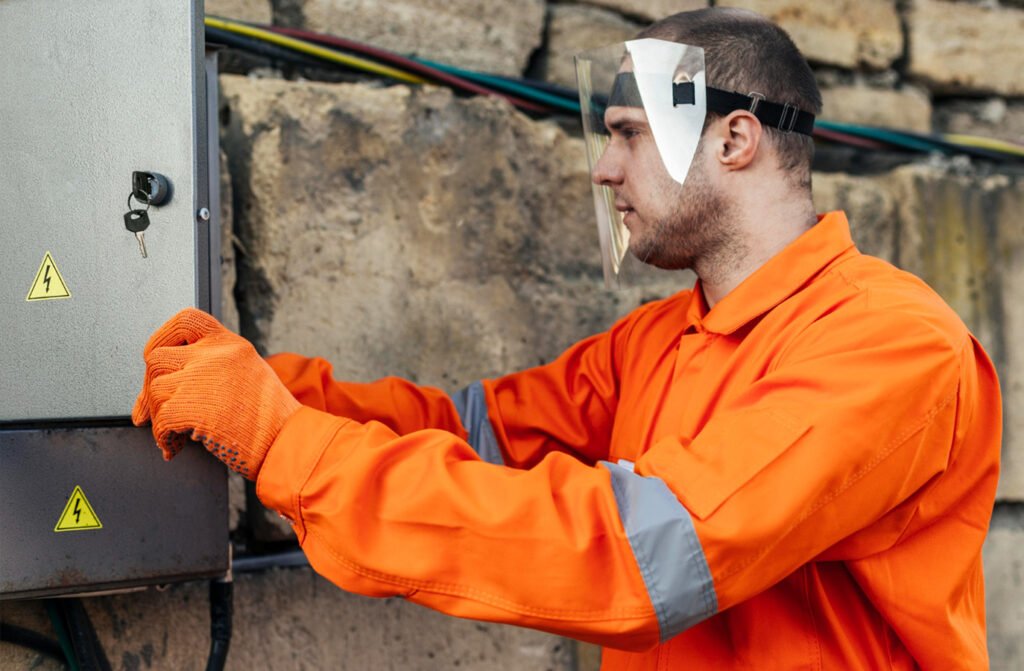
Electrical fires are one of the most common causes of house fires in Australia. Many start from simple electrical safety mistakes that could have been avoided with proper awareness and maintenance.
From overloaded power boards in Sydney apartments to ageing wiring in older Melbourne weatherboard homes, fire risks can exist in any property. The danger is often hidden behind walls, ceilings, and switchboards.
In this guide, Aussie Home Improvement outlines the most common electrical safety mistakes that can cause fires and explains how to prevent them.
Why Electrical Fire Risks Are Higher Than Many Realise
Australia’s climate and housing types create unique risks. Extreme summer heat in Perth and western Sydney can intensify overheating problems. High humidity in Brisbane can damage wiring and fittings. Older homes across regional NSW or South Australia may still have outdated electrical systems not designed for modern power demands.
Electrical faults can develop slowly. What begins as minor overheating may eventually lead to sparks, insulation damage, or fire.
Understanding these risks is the first step in protecting your home.
Overloading Power Boards and Double Adaptors
One of the most common electrical safety mistakes is overloading power boards.
Modern households run more devices than ever before:
- Televisions
- Gaming consoles
- Computers
- Heaters
- Air fryers
- Phone chargers
- Portable air conditioners
When too many high-wattage appliances are connected to a single outlet or cheap power board, heat builds up.
Overloaded power boards can:
- Melt internally
- Spark
- Trip breakers
- Ignite surrounding materials
Avoid plugging heaters, kettles, or microwaves into power boards. These should always connect directly to wall outlets.
Ignoring Frequent Circuit Breaker Tripping
If your circuit breaker keeps tripping, it is not just an inconvenience. It is a warning sign.
Frequent tripping often indicates:
- An overloaded circuit
- Faulty appliance
- Damaged wiring
- Switchboard problem
Resetting the breaker repeatedly without investigating the cause is a serious mistake. The system is cutting power to prevent overheating or fire.
If the issue continues, contact a licensed electrician to inspect the circuit properly.
Using Damaged Extension Leads
Extension leads are convenient but often misused.
Common issues include:
- Cracked insulation
- Exposed wires
- Leads run under carpets
- Outdoor leads used in wet conditions
In high-traffic areas, such as family rooms or garages, extension leads can easily become damaged. Once insulation wears down, live wires may be exposed, increasing the risk of sparks and ignition.
Outdoor extension leads should always be rated for external use and protected from rain, especially during heavy storm seasons in Queensland or coastal NSW.
DIY Electrical Work
Attempting DIY electrical work is one of the most dangerous electrical safety mistakes.
In Australia, it is illegal to perform most fixed electrical work without a licensed electrician. This includes:
- Installing new power points
- Replacing hardwired light fittings
- Modifying circuits
- Upgrading switchboards
DIY wiring often leads to:
- Loose connections
- Poor insulation
- Incorrect earthing
- Overloaded circuits
Even small errors can create hidden fire hazards inside walls or ceiling cavities.
Always hire a licensed professional for electrical installations or repairs.
Outdated or Faulty Switchboards
Older switchboards may still use ceramic fuses or lack safety switches.
Modern homes require:
- Circuit breakers
- RCD protection
- Clearly separated circuits
If your home was built before the 1990s and has not had a switchboard upgrade, it may not cope with current electrical loads.
Switchboard safety is critical. An outdated board increases electrical fire risks, particularly during peak summer demand when air conditioning systems are running constantly.
Poorly Installed Downlights
Halogen downlights were widely installed in Australian homes during the 1990s and early 2000s.
These lights generate significant heat. When installed too close to insulation or timber framing, they can create fire hazards.
Signs of potential risk include:
- Discoloured ceiling paint
- Burning smells
- Frequent globe failures
Upgrading to modern LED lighting reduces heat output significantly and improves overall home electrical safety Australia wide.
Ignoring Flickering Lights
Flickering lights are often dismissed as minor annoyances. However, they may indicate:
- Loose wiring connections
- Voltage fluctuations
- Circuit overload
- Faulty light fittings
Loose connections are especially dangerous because they generate heat at the connection point. Over time, this heat can ignite surrounding materials.
If flickering occurs regularly, it should be inspected.
Using Incorrect Light Bulb Wattage
Installing a bulb with a higher wattage than recommended can cause overheating.
This is particularly dangerous in enclosed light fittings or older fixtures not designed for high heat output.
Always check the maximum wattage rating on the fitting before installing a new globe.
Neglecting Outdoor Electrical Safety
Outdoor electrical components face harsh Australian conditions.
Common outdoor electrical fire risks include:
- Corroded wiring from coastal salt air
- Water entering outdoor power points
- Poorly sealed garden lighting connections
- Damaged pool pump wiring
Moisture combined with electricity creates a serious hazard. Outdoor fittings must have appropriate IP ratings and be installed correctly.
Not Scheduling Electrical Inspections
Electrical systems should not be ignored for decades.
Older properties, especially weatherboard homes in regional areas, may have ageing wiring hidden behind walls.
A professional inspection can identify:
- Deteriorated insulation
- Loose connections
- Overloaded circuits
- Switchboard compliance issues
Routine checks are particularly important if you have recently added high-demand appliances such as ducted air conditioning or EV chargers.
How to Improve Electrical Fire Prevention
Improving electrical fire prevention in your home involves simple but important steps.
Avoid overloading outlets. Replace damaged cords immediately. Ensure outdoor fittings are weatherproof. Upgrade outdated switchboards. Most importantly, never attempt illegal electrical work.
Electrical systems are designed with safety mechanisms, but they rely on correct installation and maintenance.
At Aussie Home Improvement, we regularly see preventable fire risks caused by minor oversights. Proactive maintenance is always safer and more affordable than emergency repairs.
Conclusion
Electrical fires rarely happen without warning. In most cases, there are early signs such as frequent breaker trips, flickering lights, warm outlets, or damaged cords.
The most common electrical safety mistakes involve overloading circuits, ignoring warning signs, attempting DIY electrical work, or neglecting ageing switchboards. These risks are present in homes across Australia, from modern apartments to older fibro houses.
Protecting your property starts with awareness. Take warning signs seriously, ensure all electrical work is performed by licensed professionals, and schedule inspections if your home’s wiring is ageing.
At Aussie Home Improvement, we believe that good electrical safety habits are one of the most important ways Australian homeowners can reduce fire risk and protect their families.
FAQs
1. What is the most common cause of electrical fires?
Overloaded circuits and faulty wiring are among the most common causes.
2. Are overloaded power boards dangerous?
Yes. They can overheat, melt, and ignite surrounding materials.
3. Is DIY electrical work illegal in Australia?
Yes. Most fixed electrical work must be carried out by a licensed electrician.
4. How do I know if my switchboard is outdated?
If it uses ceramic fuses or lacks safety switches, it may need upgrading.
5. How often should electrical systems be inspected?
Older homes should be inspected periodically, especially after major appliance upgrades or renovations.