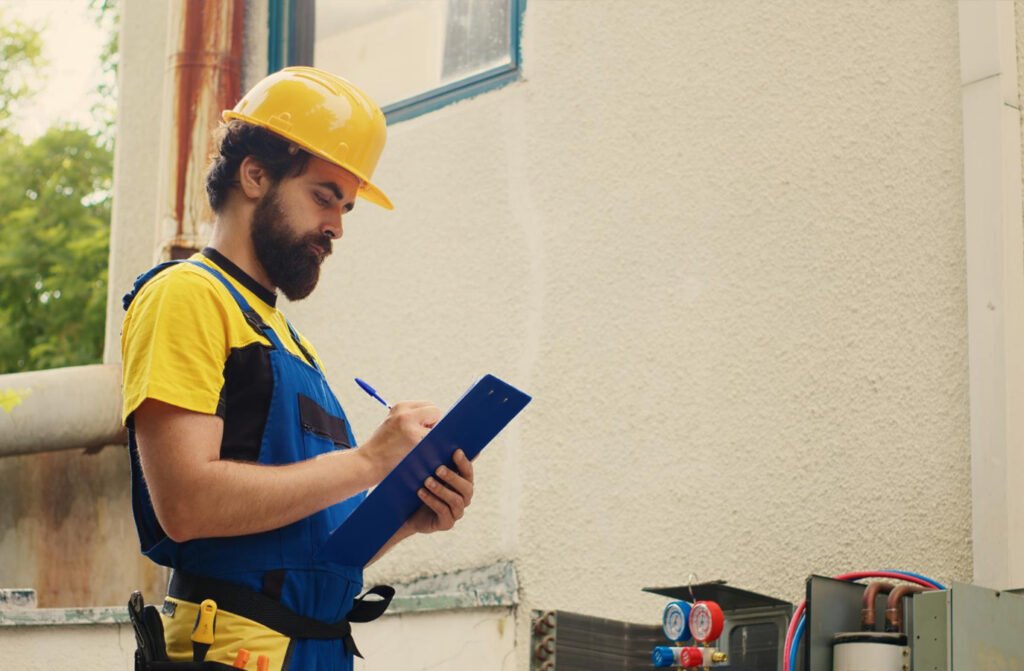
Electricity powers nearly every part of modern life. From lighting and appliances in your home to equipment and machinery in your workplace, safe and reliable electrical systems are essential. This is where licensed electricians play a critical role.
In Australia, strict laws regulate electrical work for a reason. Faulty wiring, overloaded circuits, and non-compliant installations can cause fires, electric shocks, equipment damage, and costly downtime. Whether you live in a Melbourne weatherboard home, a Sydney apartment, or operate a business in regional Queensland, professional electrical services are vital for safety and compliance.
In this guide, Aussie Home Improvement explains how licensed electricians keep homes and businesses protected, compliant, and operating safely.
Why Licensing Matters in Australia
Electrical work in Australia must comply with the AS/NZS 3000 Wiring Rules and state-based regulations. Licensed electricians complete formal training, apprenticeships, and certification before they are legally allowed to perform electrical work.
This licensing ensures they understand:
- Electrical compliance standards
- Safe load calculations
- Proper earthing systems
- RCD and circuit protection
- Fire prevention measures
Unlicensed work is illegal and can void insurance policies. More importantly, it places people and property at serious risk.
How Licensed Electricians Protect Homes
Residential properties face unique electrical demands. Modern Australian households run high-powered appliances, air conditioning systems, pool pumps, and home office equipment. Older homes may not have been designed for this level of demand.
Licensed electricians help maintain electrician home safety in several important ways.
Safe Installation of Wiring and Power Points
Improper wiring is one of the leading causes of electrical fire risks. Licensed electricians ensure:
- Correct cable sizing
- Secure connections
- Proper insulation
- Safe earthing
- Adequate circuit separation
This is particularly important in older fibro or weatherboard homes, where ageing wiring may already be under strain.
Switchboard Upgrades and Circuit Protection
Outdated switchboards are common in properties built before the 1990s. These may lack modern safety switches or sufficient circuit separation.
A licensed electrician can:
- Install RCD safety switches
- Upgrade old ceramic fuses to circuit breakers
- Separate high-load appliances onto dedicated circuits
- Ensure switchboard compliance with current standards
Switchboard upgrades significantly reduce the risk of electrical fires, especially during peak summer demand in places like Perth or western Sydney.
Preventing Electrical Fires
Professional electricians are trained to identify early warning signs of potential hazards, including:
- Overloaded circuits
- Loose connections
- Heat-damaged wiring
- Poorly installed downlights
- Non-compliant DIY modifications
By correcting these issues early, they help prevent electrical fires before they occur.
Ensuring Safe Outdoor Electrical Systems
Outdoor electrical components face harsh Australian conditions such as heavy rain, coastal salt air, extreme heat, and frost.
Licensed electricians ensure outdoor systems have:
- Correct IP-rated fittings
- Weatherproof junction boxes
- Safe underground cabling
- Proper RCD protection
This is essential for garden lighting, pool systems, outdoor kitchens, and security lighting.
How Licensed Electricians Protect Businesses
Commercial electrical safety involves more complex systems and higher loads than residential properties.
Businesses rely on safe electrical systems for:
- Lighting
- Equipment operation
- Refrigeration
- Security systems
- Data and communications
Any electrical fault can disrupt operations and pose serious safety risks.
Compliance with Workplace Safety Laws
Australian businesses must comply with workplace health and safety regulations. Licensed electricians help ensure:
- Electrical installations meet compliance standards
- Emergency and exit lighting is operational
- Safety switches are functioning correctly
- Equipment is tested and tagged where required
Failing to maintain compliant systems can result in fines, shutdowns, and legal liability.
Load Management and System Design
Commercial premises often require careful load planning to avoid overload and downtime.
Licensed electricians calculate:
- Total electrical demand
- Circuit distribution
- Equipment startup loads
- Future expansion capacity
This ensures systems are safe, efficient, and capable of handling growth.
Regular Maintenance and Inspections
Routine inspections help detect issues before they become costly problems.
For businesses, this may include:
- Thermal imaging to detect overheating
- Testing RCD functionality
- Checking switchboard integrity
- Inspecting cable condition
Preventative maintenance reduces fire risk and protects both staff and customers.
Protecting Against Electrical Hazards
Electrical hazards can develop slowly and go unnoticed until they cause major damage.
Licensed electricians help protect against:
- Electric shock
- Short circuits
- Equipment damage
- Fire hazards
- Power instability
In high-humidity areas like Brisbane or Darwin, moisture-related electrical issues are common. In colder climates like regional Victoria or Tasmania, heating systems place additional strain on circuits.
Professional electrical services are essential in adapting systems to local environmental conditions.
The Dangers of DIY or Unlicensed Work
Some property owners attempt to save money through DIY electrical repairs. However, even small mistakes can create serious risks.
Common DIY problems include:
- Loose terminals
- Incorrect cable sizing
- Poor earthing
- Overloaded circuits
- Non-compliant installations
These issues may not cause immediate failure but can create hidden fire hazards behind walls or ceilings.
Licensed electricians carry insurance, follow strict regulations, and provide certification where required. This protects both the property owner and occupants.
When Should You Call a Licensed Electrician?
You should contact a licensed electrician if you notice:
- Frequent circuit breaker tripping
- Flickering lights
- Burning smells near outlets
- Warm switchboard panels
- Power outages affecting specific circuits
- Planning renovations or business fit-outs
Early intervention prevents small issues from escalating into dangerous situations.
How Licensed Electricians Support Long-Term Safety
Electrical systems are not “install and forget” components. As technology evolves and energy demand increases, systems must adapt.
Licensed electricians support long-term safety by:
- Recommending upgrades
- Installing energy-efficient systems
- Improving load distribution
- Ensuring ongoing compliance
Whether it is upgrading to LED lighting, installing EV chargers, or modernising a commercial workspace, professional installation ensures safety remains the top priority.
At Aussie Home Improvement, we consistently emphasise the importance of qualified trades when it comes to electrical work. The risks of shortcuts far outweigh any short-term savings.
Conclusion
Licensed electricians are essential for protecting both homes and businesses across Australia. From safe wiring installations and switchboard upgrades to compliance inspections and preventative maintenance, their expertise helps prevent fires, reduce electrical hazards, and ensure systems operate reliably.
Australia’s climate, housing styles, and growing energy demands make professional electrical services more important than ever. Attempting DIY work or ignoring warning signs can create hidden dangers that threaten lives and property.
Investing in licensed electrical work is not just about compliance. It is about safety, reliability, and peace of mind. At Aussie Home Improvement, we encourage every homeowner and business operator to prioritise professional electrical care to keep their property safe now and into the future.
FAQs
1. Why must electrical work be done by a licensed electrician in Australia?
Because Australian law requires licensed professionals to ensure compliance with safety standards and prevent serious hazards.
2. How do licensed electricians prevent electrical fires?
They identify overloaded circuits, damaged wiring, and non-compliant installations before they become dangerous.
3. Do businesses legally require electrical inspections?
Yes. Businesses must meet workplace safety regulations, including maintaining compliant electrical systems.
4. Can outdated switchboards increase fire risk?
Yes. Older switchboards may lack proper circuit protection and safety switches.
5. How often should electrical systems be checked?
Homes and businesses should have periodic inspections, especially after renovations or major equipment upgrades.