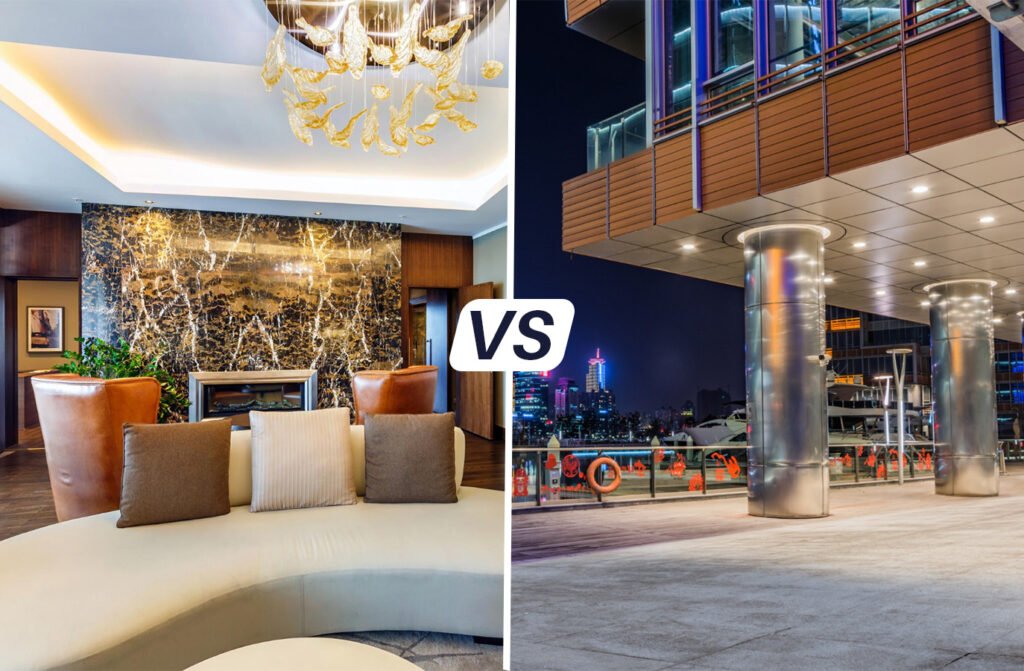
Choosing the right lighting for your home is not just about style. The indoor vs outdoor lighting electrical setup is very different, and understanding those differences is essential for safety, durability, and compliance with Australian standards.
Many Australian homeowners assume that lighting is simply lighting. However, outdoor systems must withstand heavy rain in Brisbane, coastal salt air in Perth, frost in regional Victoria, and extreme heat in western Sydney. Indoor lighting, on the other hand, focuses more on comfort, brightness control, and design.
In this guide, Aussie Home Improvement explains the key electrical differences between indoor and outdoor lighting, what wiring and safety requirements apply, and what setup your home actually needs.
Why Indoor and Outdoor Lighting Are Not the Same
The biggest difference between indoor and outdoor lighting installation in Australia comes down to environmental exposure and electrical safety.
Indoor lights operate in controlled environments. Outdoor lights are exposed to:
- Rain and storms
- Humidity and condensation
- UV radiation
- Dust and insects
- Coastal corrosion
Because of this, the electrical setup for outdoor lighting must be far more robust.
Indoor Lighting Electrical Setup
Indoor lighting systems are generally simpler and more straightforward to install.
Standard Indoor Lighting Wiring
Most Australian homes use:
- 240V hardwired ceiling lights
- LED downlights
- Pendant lights
- Wall sconces
- Batten fittings
These are connected to lighting circuits protected by circuit breakers in your switchboard.
In brick veneer homes or modern builds, wiring usually runs through the ceiling cavity. In older weatherboard or fibro homes, wiring upgrades may be needed if insulation or compliance issues are discovered.
Switches and Controls
Indoor lighting setups often include:
- Standard wall switches
- Dimmer switches
- Two-way switching for hallways and stairs
- Smart lighting systems
Dimmers must be compatible with LED fittings. Incorrect pairing can cause flickering or buzzing.
Bathroom and Wet Area Requirements
Bathrooms require additional safety considerations. Electrical fittings must comply with Australian zoning regulations around showers and baths. Certain zones require specific IP ratings even indoors.
For example:
- Ceiling lights above showers need higher moisture protection
- Exhaust fan and light combinations must meet ventilation and electrical codes
A licensed electrician lighting installation ensures compliance with AS/NZS 3000 wiring rules.
Outdoor Lighting Electrical Setup
Outdoor lighting installation Australia requires a different level of planning and protection.
Weatherproof Electrical Fittings
All outdoor lighting must be designed to handle moisture and weather exposure. This includes:
- Sealed cable connections
- Weatherproof junction boxes
- Proper conduit protection
- Corrosion-resistant fittings
In coastal areas like the Gold Coast or Fremantle, salt air can rapidly corrode standard metal fittings. Marine-grade or stainless steel fixtures are recommended.
Understanding IP Rating Lighting Australia
IP rating stands for Ingress Protection. It measures how well a fitting is protected against dust and water.
Here is a simple guide:
- IP44: Suitable for covered outdoor areas
- IP65: Suitable for exposed rain areas
- IP67: Suitable for ground or garden lighting exposed to heavy water
Choosing the wrong IP rating can result in water damage, short circuits, and costly replacements.
Underground Cabling and Garden Lighting Electrical Requirements
For garden lighting and pathway lights, cables are often buried underground. This requires:
- Correct cable depth
- Protective conduit
- RCD protection
- Proper load calculation
Improperly installed garden lighting can become a safety hazard, especially during heavy rain or Brisbane storm season.
Voltage Differences: 240V vs Low Voltage Systems
Indoor lighting typically runs on 240V mains power.
Outdoor lighting can run on:
- 240V systems (hardwired)
- 12V low voltage systems with a transformer
Low voltage LED outdoor lighting is popular for gardens because it reduces electric shock risk. However, transformers must be installed correctly and protected from weather exposure.
Your choice depends on the scale of the project and safety considerations.
Switchboard and Circuit Considerations
Both indoor and outdoor lighting draw power from your switchboard, but outdoor systems often require:
- Separate circuits
- Dedicated RCD safety switches
- Load balancing to prevent overload
In older Australian homes, switchboards may not have enough capacity to handle new outdoor lighting additions. An upgrade may be necessary before installation.
At Aussie Home Improvement, we often recommend checking switchboard capacity before adding extensive exterior lighting systems.
Lighting Design Considerations
Electrical setup is not only about safety. It also affects performance and usability.
Indoor Lighting Design Factors
Indoor lighting focuses on:
- Ambient lighting for general use
- Task lighting for kitchens and offices
- Accent lighting for features
Ceiling height, insulation type, and room layout all influence installation methods.
Outdoor Lighting Design Factors
Outdoor lighting must consider:
- Security lighting placement
- Sensor activation
- Driveway and pathway visibility
- Bushfire risk in regional areas
In bushfire-prone zones, fittings may need to meet additional compliance requirements.
Cost Differences Between Indoor and Outdoor Lighting
Outdoor lighting installation Australia is usually more expensive due to extra protection requirements and labour.
Average Cost Comparison
| Installation Type | Average Cost (AUD) |
| Indoor LED downlight installation | $60 – $120 per light |
| Indoor pendant installation | $120 – $250 |
| Outdoor wall light installation | $150 – $350 |
| Garden lighting system (5–10 lights) | $1,200 – $3,000 |
| Security floodlight with sensor | $200 – $500 |
Costs vary depending on access, wiring complexity, and location. Sydney and Melbourne metro areas typically have higher labour rates than regional towns.
Common Mistakes Homeowners Make
Many homeowners underestimate the differences in indoor vs outdoor lighting electrical setup.
Common issues include:
- Installing indoor-rated lights outside
- Ignoring IP rating requirements
- Using extension leads for permanent outdoor lighting
- Overloading existing circuits
- Attempting DIY hardwired installation
In Australia, it is illegal to perform most fixed electrical work without a licensed electrician.
DIY vs Professional Installation
DIY Indoor Lighting
You can legally replace plug-in globes and some surface-mounted fittings if no wiring changes are required. However, most ceiling light replacements must be handled by a licensed electrician.
DIY Outdoor Lighting
Low voltage plug-in garden kits may be suitable for DIY installation. These usually connect to an outdoor weatherproof power point.
However, any 240V hardwired outdoor lighting must be installed by a licensed electrician.
Why Professional Installation Matters
A qualified electrician ensures:
- Compliance with Australian standards
- Correct RCD protection
- Proper earthing
- Safe load distribution
- Long-term reliability
For outdoor lighting especially, professional installation protects your home from electrical faults during storms and extreme weather.
Which Setup Is Right for Your Home?
The right setup depends on:
- Your home’s age and wiring condition
- Climate exposure
- Lighting purpose
- Budget
- Long-term maintenance expectations
Modern builds often have easier access for upgrades. Older weatherboard or fibro homes may need rewiring before new installations.
If you live in high humidity areas like Darwin or Brisbane, moisture resistance is critical. In cooler regions like Tasmania, frost-resistant fittings are important.
At Aussie Home Improvement, we recommend treating indoor and outdoor lighting as two separate systems with different safety priorities.