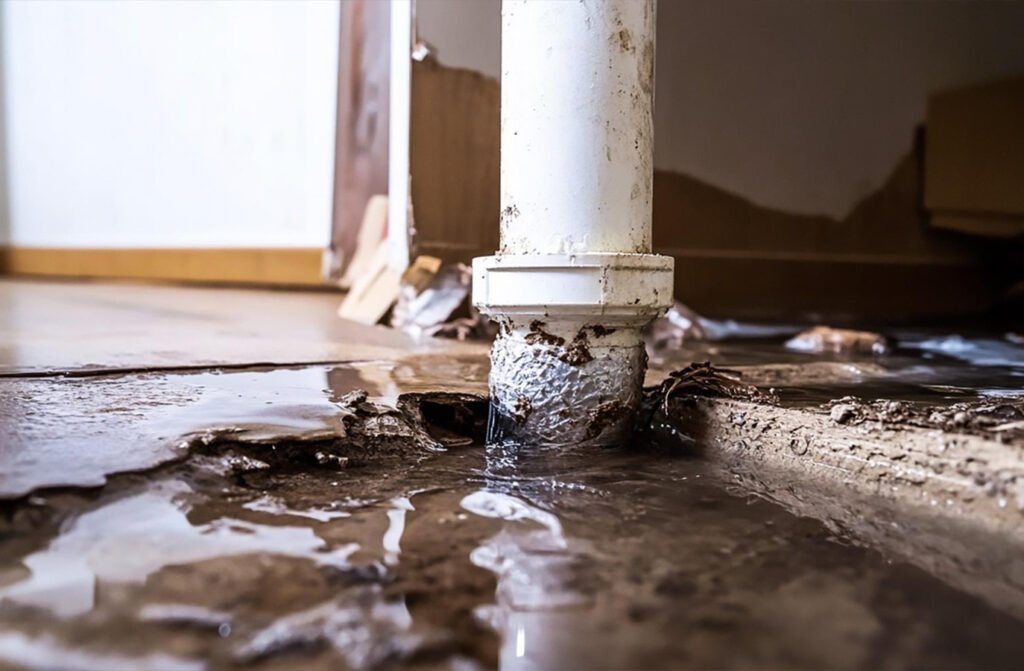
Underground water leaks are one of the most damaging and difficult plumbing problems Australian homeowners can face. Because the leak happens below the ground or concrete slab, it often goes unnoticed until serious damage or high water bills appear.
Australia’s housing styles, especially slab-on-ground homes, combined with shifting soils, tree roots, and ageing pipes, make underground leaks more common than many people realise. Left untreated, these leaks can undermine foundations, damage pipework, and waste thousands of litres of water.
This guide from Aussie Home Improvement explains how to find an underground water leak, the signs to watch for, and when professional leak detection is essential.
What Is an Underground Water Leak?
An underground water leak occurs when a water pipe beneath soil, concrete, or paving becomes damaged and starts leaking. These leaks can happen under driveways, gardens, footpaths, or the slab of your home.
Common causes include pipe corrosion, ground movement, tree root intrusion, poor installation, or high water pressure. Because the leak is hidden, water often escapes silently for weeks or even months.
Why Underground Water Leaks Are Serious
Underground leaks are more than just wasted water.
They can weaken foundations, cause cracks in concrete, create damp conditions that lead to mould, and attract pests. In some cases, water can seep into walls or floors without obvious surface pooling.
In Australia, underground leaks are also a major cause of unexpectedly high water bills, especially in homes with older plumbing systems.
Early Warning Signs of an Underground Water Leak
Finding an underground leak early can save thousands of dollars in repairs.
One of the most common signs is a sudden or unexplained increase in your water bill. If your usage hasn’t changed but your bill has, a hidden leak is a strong possibility.
Other signs include damp patches in the yard during dry weather, unusually green or fast-growing grass in one area, soft or sinking soil, or cracks appearing in concrete paths or driveways.
Inside the home, warm spots on floors, musty smells, or ongoing dampness can also indicate a leak beneath the slab.
Simple Checks Homeowners Can Do First
Before calling a plumber, there are a few safe checks homeowners can do to confirm whether a leak may exist.
Start by turning off all taps and water-using appliances. Check your water meter and note the reading. Wait at least 30 to 60 minutes without using any water, then check the meter again.
If the meter reading has changed, water is flowing somewhere in the system, indicating a possible leak.
This test doesn’t locate the leak, but it confirms whether one is present.
Checking Outdoor Areas for Hidden Leaks
Outdoor areas are often where underground leaks first become visible.
Walk around your property and look for soggy soil, pooling water, or areas that stay wet long after rain. Pay attention to garden beds, lawn edges, and areas near outdoor taps.
Paving that shifts, cracks, or sinks can also be a sign of water washing away soil underneath.
Signs of a Leak Under a Concrete Slab
Slab leaks are particularly common in Australian homes built on concrete foundations.
Warning signs include warm or damp patches on floors, unexplained mould growth, lifting floor coverings, or cracks in tiles. You may also hear water running when no taps are turned on.
Because slab leaks can cause structural damage, they should never be ignored.
Why DIY Leak Detection Has Limits
While basic checks can confirm the presence of a leak, locating the exact source underground is rarely possible without specialised equipment.
Digging randomly can damage pipes further, increase repair costs, and create unnecessary mess. Chemical dyes and guesswork methods are unreliable and often ineffective for underground leaks.
Professional leak detection uses advanced tools such as acoustic sensors, thermal imaging, and pressure testing to pinpoint leaks accurately without unnecessary excavation.
When to Call a Professional Plumber
If your water meter test confirms a leak, or you notice any of the warning signs mentioned earlier, it’s time to call a licensed plumber.
Many homeowners choose established service providers such as Jim’s, All Australian Plumbing’s, Master Plumbers NSW, or Mates Rates Plumbing for underground leak detection, as these jobs require experience, licensing, and specialised equipment.
Early professional intervention can prevent extensive damage and reduce overall repair work.
What a Professional Leak Detection Process Involves
A licensed plumber will usually begin by isolating sections of the plumbing system to narrow down the leak location.
Specialised detection tools are then used to listen for water movement, identify temperature changes, or detect pressure loss. This allows the leak to be located with minimal disruption to the property.
Once found, the plumber will recommend the most suitable repair method based on pipe type, location, and accessibility.
DIY vs Professional Leak Detection
What Homeowners Can Safely Do
Homeowners can monitor water bills, perform meter tests, inspect visible areas, and watch for changes in moisture or ground conditions.
These steps help identify a problem early.
What Requires a Licensed Plumber
Locating and repairing underground leaks, especially those under slabs or driveways, must be done by licensed plumbers in Australia. This ensures safety, compliance, and protection of insurance coverage.
Aussie Home Improvement always recommends professional leak detection for underground water issues.
Common Mistakes to Avoid
Underground leaks often worsen due to avoidable mistakes.
- Ignoring high water bills
- Delaying investigation because there’s no visible damage
- Digging without proper detection
- Using unlicensed trades
- Assuming the leak will stop on its own
These mistakes can turn a manageable repair into a major structural issue.
Preventing Underground Water Leaks
While not all leaks are preventable, good maintenance reduces risk.
Have water pressure checked and regulated if necessary. Avoid planting large trees near water lines. Replace ageing pipes during renovations, and address minor leaks before they worsen.
Regular plumbing inspections are especially important for older Australian homes.
Conclusion
Underground water leaks are one of the hardest plumbing problems to detect, but they are also one of the most important to address early. Because these leaks happen out of sight, they often cause damage long before homeowners realise there is an issue.
By watching for warning signs such as rising water bills, damp patches, unusual ground movement, or changes inside the home, Australian homeowners can catch problems before they become serious. Simple checks like monitoring your water meter can confirm whether a leak exists, but locating the exact source usually requires professional equipment and experience.
Acting quickly protects your home’s foundations, prevents unnecessary water waste, and reduces long-term repair costs. If there is any doubt, calling a licensed plumber is always the safest option. At Aussie Home Improvement, we encourage homeowners to treat underground leaks as a priority and seek professional help early to avoid costly and disruptive damage later on.
Frequently Asked Questions
How do I know if I have an underground water leak?
A rising water bill, wet patches in dry weather, damp floors, or a moving water meter when taps are off are common indicators.
Can an underground leak fix itself?
No. Underground leaks almost always worsen over time as pressure and soil movement increase pipe damage.
Are underground water leaks common in Australia?
Yes. Slab foundations, tree roots, and ageing pipes make underground leaks fairly common in many Australian suburbs.
Will insurance cover underground water leaks?
Coverage varies. Early detection and professional repair improve the chances of insurance acceptance.
How quickly should an underground leak be fixed?
As soon as possible. Delaying repairs increases water loss and the risk of structural damage.