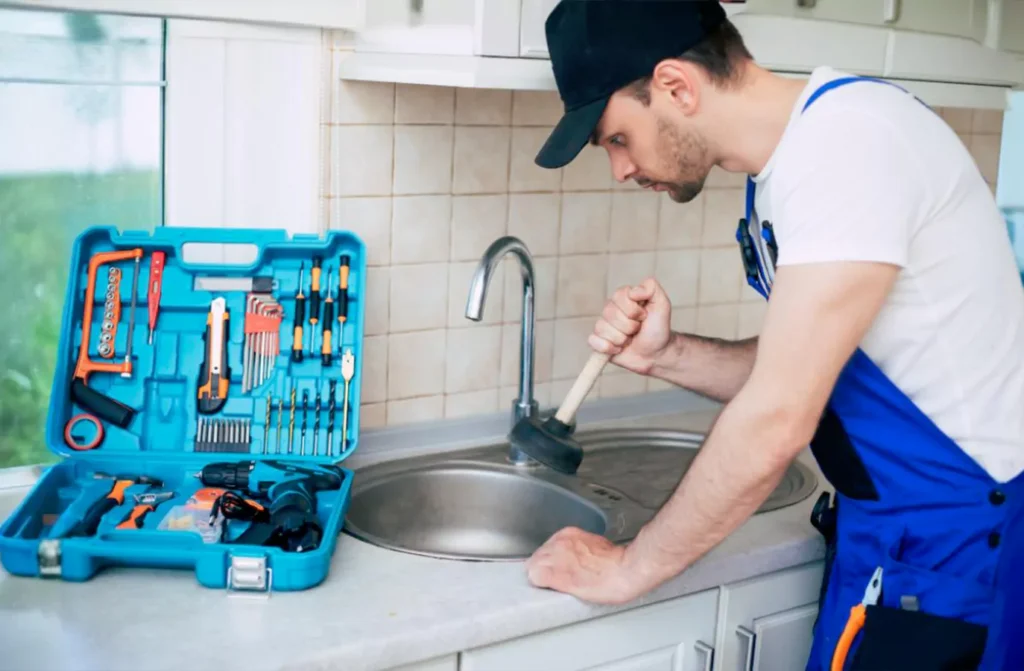
Many Australian homeowners try to fix plumbing issues themselves, and sometimes that’s perfectly reasonable. A blocked sink or a dripping tap can feel manageable at first. The problem is knowing when a small issue crosses the line and becomes something only a professional plumber should handle.
Plumbing systems in Australian homes deal with extreme heat, heavy storms, ageing pipes, and in many areas, tree roots and coastal corrosion. When problems are ignored or poorly repaired, they can quickly turn into expensive damage affecting walls, floors, and even foundations.
This guide from Aussie Home Improvement explains exactly when to call a professional plumber, the warning signs you should never ignore, and why acting early can save you time, money, and stress.
Why Knowing the Right Time to Call a Plumber Matters
Delaying plumbing repairs is one of the most common mistakes homeowners make. What starts as a minor inconvenience often becomes a major repair because water damage spreads quietly and quickly.
Professional plumbers are trained to identify underlying issues, not just surface symptoms. In Australia, many plumbing jobs are also legally required to be completed by licensed tradespeople to meet safety standards and insurance conditions.
Calling a plumber at the right time protects both your home and your wallet.
Persistent Blocked Drains
A slow or blocked drain that keeps coming back is a clear sign you need a professional plumber.
Kitchen and bathroom blockages are often caused by grease, hair, soap scum, or foreign objects. However, recurring blockages usually point to deeper issues such as tree roots, collapsed pipes, or heavy build-up further down the line.
If plunging or basic clearing only provides temporary relief, the blockage is unlikely to be near the surface. Professional equipment is required to properly clear the pipes and prevent sewage from backing up into the home.
Ongoing Water Leaks
Not all leaks are obvious. While a dripping tap is easy to spot, many serious leaks occur behind walls, under floors, or beneath concrete slabs.
Warning signs include damp patches, peeling paint, mould growth, musty smells, or unexplained increases in your water bill. In slab-on-ground homes, hidden leaks can undermine foundations and cause long-term structural damage.
If a leak doesn’t stop after a simple repair, or you can’t locate the source, it’s time to call a plumber.
Low Water Pressure Throughout the House
Low water pressure in a single tap is often a minor issue. Low pressure across multiple taps is usually a sign of a more serious plumbing problem.
Common causes in Australian homes include corroded pipes, mineral build-up, faulty pressure regulators, or underground leaks. Coastal areas are particularly prone to corrosion-related issues.
A professional plumber can identify the cause and prevent further deterioration of the system.
Hot Water System Problems
Hot water issues should never be ignored. If your hot water runs out quickly, fluctuates in temperature, makes unusual noises, or stops working entirely, professional attention is required.
Gas hot water systems must always be repaired by licensed plumbers due to strict Australian safety regulations. Attempting DIY repairs on gas systems is dangerous and illegal.
Older hot water systems may also be more cost-effective to replace rather than repair, something a plumber can advise on.
Toilet Problems That Keep Returning
Toilets are connected directly to sewer lines, so ongoing problems should be taken seriously.
Constant running, frequent clogs, weak flushing, or water backing up into the bowl often indicate worn components or sewer line issues. Continuing to use a faulty toilet can worsen the problem and create hygiene risks.
If basic fixes don’t work, stop using the toilet and call a professional plumber.
Flooding or Water Damage Inside the Home
Any form of indoor flooding is an urgent situation.
Burst pipes, overflowing fixtures, or stormwater entering the home can cause damage within minutes. Flooring, cabinetry, electrical systems, and walls are all at risk when water spreads unchecked.
In these situations, turn off the main water supply immediately and call a plumber as soon as possible.
Unpleasant Smells or Gurgling Sounds
Bad smells coming from drains or gurgling noises when water is used often indicate ventilation or sewer issues.
These problems are not just unpleasant. They can signal blocked vents, sewer gas leaks, or failing pipework, all of which require professional diagnosis and repair.
Ignoring these signs can lead to health concerns and further system damage.
Step-by-Step: What to Do Before Calling a Plumber
When a plumbing issue appears, a calm response can help reduce damage.
First, identify whether water, sewage, or gas is involved. If water is escaping, turn off the main supply. Avoid temporary fixes that could worsen the issue, such as chemical drain cleaners or overtightening fittings.
Make note of visible symptoms, when the problem started, and whether it’s getting worse. This information helps plumbers diagnose the issue faster.
DIY vs Hiring a Professional Plumber
Understanding what you can safely do yourself is important.
What Homeowners Can Usually DIY
Minor tasks such as plunging simple blockages, replacing tap washers, or changing showerheads are generally safe for homeowners.
These jobs don’t involve altering pipework or regulated systems.
What Requires a Licensed Plumber
Any work involving gas, hot water systems, sewer lines, waterproofing, pressure adjustments, or pipe modifications must be done by a licensed plumber in Australia.
Unlicensed work can void insurance policies and may breach state regulations.
Aussie Home Improvement strongly recommends checking that any plumber you hire is licensed and insured.
Common Mistakes Homeowners Make
Many plumbing emergencies start with small mistakes.
- Ignoring leaks until visible damage appears
- Repeatedly clearing the same blockage without investigation
- Attempting gas or hot water repairs without a licence
- Hiring unlicensed or uninsured plumbers
- Delaying repairs to save money
These mistakes often lead to higher repair costs and avoidable damage.
Preventative Maintenance Tips
Regular checks can reduce the risk of sudden plumbing failures.
Inspect taps, toilets, and exposed pipes every few months. Watch for changes in water pressure or unusual sounds. Clean drains regularly to prevent build-up.
Before storm season, make sure outdoor drains and downpipes are clear to reduce the risk of flooding.
Frequently Asked Questions
How do I know if a plumbing issue is an emergency?
Flooding, sewage backups, gas smells, and burst pipes should always be treated as emergencies and addressed immediately.
Is it cheaper to call a plumber early?
Yes. Early repairs are usually simpler and far less expensive than fixing water damage or major system failures.
Can plumbing issues affect my water bill?
Absolutely. Hidden leaks and running toilets are common causes of unexpectedly high water bills.
Are all plumbing jobs regulated in Australia?
Many are. Gas work, hot water systems, sewer connections, and pipe alterations must be completed by licensed plumbers.
How often should plumbing be inspected?
A basic check every few months is ideal, with professional inspections recommended for older homes or before renovations.