Smoke alarms save lives. In New South Wales, strict laws apply to smoke alarm installation in all residential properties. Whether you own a home in Sydney, manage a rental in Newcastle, or live in a regional NSW town, understanding smoke alarm installation requirements NSW is essential for legal compliance and safety.
Fires can spread quickly, particularly in older weatherboard homes or properties with timber framing. Early detection makes the difference between minor damage and devastating loss. In this guide, Aussie Home Improvement explains the legal requirements, placement rules, and best practices for smoke alarm compliance in NSW.
Are Smoke Alarms Mandatory in NSW?
Yes. Under NSW legislation, smoke alarms are mandatory in:
- All residential properties
- Rental homes
- Newly built dwellings
- Existing homes being sold
This applies to houses, townhouses, apartments, granny flats, and relocatable homes.
Failure to comply can result in penalties and may affect insurance claims in the event of a fire.
Minimum Smoke Alarm Installation Requirements NSW
To meet NSW smoke alarm laws, alarms must:
- Be installed on every level of the home
- Be located in hallways outside bedrooms
- Be installed in areas where people sleep if no hallway exists
- Comply with Australian Standard AS 3786
These requirements apply to both owner-occupied and rental properties.
Where to Install Smoke Alarms
Correct placement is just as important as having alarms installed.
Hallways and Bedroom Areas
Smoke alarms must be installed:
- In the hallway outside sleeping areas
- Between living spaces and bedrooms
If bedrooms are spread out across the home, more than one alarm may be required.
Multi-Storey Homes
In two-storey brick veneer homes or modern builds common across Western Sydney, at least one smoke alarm must be installed on each level.
For example:
- Ground floor near living areas
- Upper level near bedrooms
Open-Plan Homes
In open-plan layouts, common in newer developments across regional NSW, the alarm should be positioned between sleeping areas and the remainder of the dwelling.
Areas to Avoid
Smoke alarms should not be installed:
- Inside kitchens
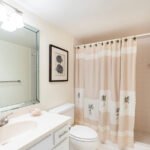
- Inside bathrooms
- In garages
- Too close to cooking appliances
- Near ceiling fans or air-conditioning vents
Improper placement can lead to nuisance alarms or reduced effectiveness.
Hardwired vs Battery Smoke Alarms in NSW
The type of alarm required depends on the age of the home.
Existing Homes
Existing properties can use either:
- Battery-powered smoke alarms
- Hardwired smoke alarms
Battery alarms must have a replaceable or non-removable 10-year battery.
New Homes and Major Renovations
For new builds or homes undergoing significant renovations, NSW regulations require:
- Hardwired smoke alarms
- Interconnected alarms where more than one is installed
Interconnected smoke alarms ensure that if one alarm detects smoke, all alarms in the home sound simultaneously.
This is particularly important in larger properties or homes with multiple sleeping areas.
Smoke Alarm Requirements for Landlords in NSW
Landlords have specific responsibilities under NSW law.
They must:
- Ensure smoke alarms are installed and operational
- Replace batteries annually (unless the tenant agrees to do so)
- Repair or replace faulty alarms
- Test alarms within 90 days before a new tenancy begins
Tenants must:
- Notify landlords if alarms are not working
- Not remove or damage alarms
- Replace batteries if agreed under lease terms
Smoke alarm compliance NSW is taken seriously, particularly in rental properties.
What Type of Smoke Alarm Is Recommended?
There are two main types of smoke alarms:
Ionisation Smoke Alarms
These respond quickly to fast-flaming fires. However, they are more prone to false alarms near kitchens.
Photoelectric Smoke Alarms
These respond better to slow, smouldering fires, which are common in homes. They are generally recommended for residential properties.
In fact, many fire safety authorities in NSW recommend photoelectric alarms for better overall protection.
At Aussie Home Improvement, we strongly recommend photoelectric, interconnected systems where possible, even if not legally required in older homes.
Installation Rules and Height Requirements
Smoke alarms must be installed:
- On or near the ceiling
- At least 300mm from walls if ceiling-mounted
- At least 300mm below the ceiling if wall-mounted
For sloped ceilings, alarms should be installed between 500mm and 1500mm from the highest point.
Correct positioning ensures smoke can reach the sensor quickly.
Why Compliance Matters in NSW
NSW experiences a range of fire risks, including:
- Bushfires in regional areas
- Electrical fires in older Sydney suburbs
- Kitchen fires in high-density apartments
Working smoke alarms provide early warning, allowing families to evacuate safely.
Non-compliance can result in:
- Fines
- Insurance complications
- Legal liability for landlords
- Increased fire risk
Ensuring your home meets smoke alarm installation requirements NSW is both a legal and safety obligation.
Professional Installation vs DIY
DIY Installation
Homeowners may install battery-operated smoke alarms themselves, provided they meet Australian Standards.
However, placement must strictly follow NSW regulations.
Professional Installation
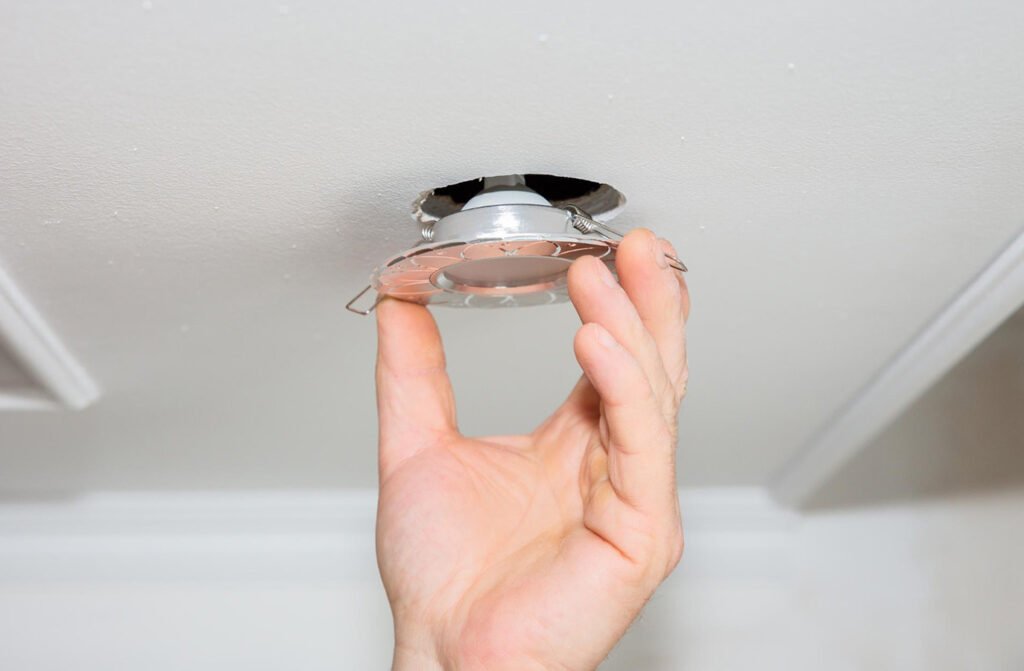
Hardwired smoke alarms must be installed by a licensed electrician.
Professional installation ensures:
- Correct wiring
- Interconnection compliance
- Proper positioning
- Certification where required
If your property is undergoing renovations or electrical upgrades, it is best to have smoke alarms installed or upgraded at the same time.
Upgrading Older NSW Homes
Many older properties in suburbs across Sydney, Wollongong, and regional NSW still have outdated ionisation alarms or single units installed decades ago.
Upgrading to interconnected photoelectric alarms improves safety significantly.
If your home was built before modern compliance standards, consider a full smoke alarm review as part of your overall home electrical safety plan.
Conclusion
Meeting smoke alarm installation requirements NSW is not just about following the law. It is about protecting your family, tenants, and property.
Smoke alarms must be installed on every level, positioned correctly near sleeping areas, and comply with Australian Standards. Landlords have additional responsibilities to ensure alarms are maintained and tested.
Whether you live in a new build or an older weatherboard home, upgrading to modern, interconnected photoelectric alarms provides greater protection and peace of mind.
At Aussie Home Improvement, we encourage NSW homeowners to treat smoke alarm compliance as a priority, not an afterthought. A properly installed and maintained smoke alarm system is one of the simplest and most effective safety upgrades you can make.
FAQs
1. Are smoke alarms legally required in NSW?
Yes. All residential properties in NSW must have compliant smoke alarms installed.
2. Where must smoke alarms be installed?
They must be installed on every level of the home and outside sleeping areas.
3. Do NSW rental properties require smoke alarms?
Yes. Landlords are legally responsible for installation and maintenance.
4. Are hardwired smoke alarms mandatory in NSW?
Hardwired alarms are required in new builds and major renovations.
5. What type of smoke alarm is best for NSW homes?
Photoelectric smoke alarms are generally recommended for better detection of smouldering fires.